Best Lithium Battery Cells for Efficient Energy Solutions?
In the quest for efficient energy solutions, lithium battery cells have emerged as a game changer. Their lightweight design and high energy density make them ideal for various applications, from electric vehicles to renewable energy storage. These cells have become crucial in our transition towards sustainable energy.
However, not all lithium battery cells are created equal. Different manufacturers offer varying levels of performance, durability, and safety. Selecting the right one can be daunting. Factors such as cycle life and charge speed can significantly impact usability. This complexity pushes consumers to question which options truly deliver value.
Understanding the nuances of lithium battery cells is essential. As technology advances, newer models promise improved efficiency and lower environmental impact. Yet, it's vital to remain critical. Some products may tout high performance without substantiating their claims. Evaluating trusted sources and expert insights can guide informed choices in this evolving landscape.

Types of Lithium Battery Cells and Their Applications
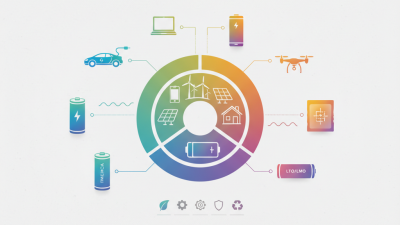
Lithium battery cells come in various types, each suitable for specific applications. The most common types include lithium-ion (Li-ion), lithium polymer (LiPo), and lithium iron phosphate (LiFePO4). Li-ion batteries dominate the consumer electronics market, offering high energy density and long cycle life. According to a recent industry report, Li-ion accounted for over 80% of the global battery market in 2022.
On the other hand, lithium polymer batteries are lighter and can be made in custom shapes. They are widely used in drones and RC vehicles. An estimated 20% growth for LiPo batteries is projected in the next three years, showcasing their rising popularity. Lithium iron phosphate batteries are known for their thermal stability and safety. They are commonly found in electric vehicles and stationary energy storage.
Tips: When selecting battery cells, consider the application requirements carefully. Analyze energy density, weight, and safety features based on intended use. Take time to compare performance metrics and lifespan based on reputable market research. Always prioritize reliable sources to guide your decisions, as battery technology is continuously evolving.
Best Lithium Battery Cells for Efficient Energy Solutions
| Type of Lithium Battery |
Voltage (V) |
Capacity (Ah) |
Energy Density (Wh/kg) |
Common Applications |
| Lithium Cobalt Oxide (LCO) |
3.7 |
1.5 - 2.5 |
150-200 |
Smartphones, Laptops |
| Lithium Iron Phosphate (LFP) |
3.2 |
30 - 300 |
90-160 |
Electric Vehicles, Energy Storage |
| Lithium Manganese Oxide (LMO) |
3.7 |
2.2 - 3.3 |
100-150 |
Power Tools, E-bikes |
| Lithium Nickel Cobalt Aluminum Oxide (NCA) |
3.6 |
2.3 - 3.4 |
200-250 |
Electric Vehicles, Aerospace |
| Lithium Polymer (LiPo) |
3.7 |
1.0 - 10.0 |
150-200 |
Drones, RC Vehicles |
Key Features of Efficient Lithium Battery Cells
Lithium battery cells have become critical in powering various technologies. Their efficiency hinges on several key features.
High energy density stands out. This means these cells can store more energy in a compact form. For devices needing long-lasting power, this is vital. A high energy density translates to fewer battery changes and less waste.
Another significant feature is the charge and discharge rate. Efficient lithium cells can charge quickly and deliver power consistently. This is essential for applications like electric vehicles and renewable energy systems.
These cells must handle intense demands without overheating or degrading rapidly. Proper thermal management becomes crucial to ensure reliability.
Additionally, longevity matters. A well-designed lithium cell should operate effectively over many charge cycles. However, not all batteries maintain performance equally. Frequent cycles can lead to capacity loss.
Manufacturers need to focus on enhancing cycle life to improve usability and sustainability. Integrating these features into lithium batteries is no easy feat, but ongoing research holds great promise.
Comparative Analysis of Leading Lithium Battery Brands
Lithium battery technology has transformed energy solutions. A comparative analysis reveals varying performance metrics across different lithium cell brands. According to industry reports, top-performing cells exhibit energy densities between 150-250 Wh/kg. This metric is crucial for applications ranging from portable electronics to electric vehicles.
Cycle life is another vital factor. Recent studies show leading brands offer cycle lives of 1,000 to 3,000 charge cycles. This longevity translates to lower costs over time. However, some brands deliver inconsistent performance. They may have lower efficiencies, leading to decreased reliability in crucial applications.
Thermal stability remains a significant challenge. In tests, certain cells faced overheating risks, impacting safety. An ideal lithium cell balances energy density and thermal management. Users should critically evaluate performance data before making decisions. A focus on reliable specifications can prevent future issues, enhancing overall energy solution effectiveness.
Environmental Impact of Lithium Battery Production and Disposal
The environmental impact of lithium battery production and disposal is significant. The extraction of lithium often involves harmful practices. Many mines cause water shortages and land degradation. These effects can harm local ecosystems and communities. Sustainable practices are still evolving in this industry.
Tips: Consider supporting companies that prioritize sustainability. Look for those using recycled materials and green alternatives.
Disposal poses its own challenges. Many lithium batteries end up in landfills, where they can leak toxic substances. Recycling options exist but are not widely adopted yet. Raising awareness about proper disposal methods is crucial.
Tips: Always check local resources for battery recycling programs. Educating others on waste management helps create a responsible community.
The industry faces criticism but also opportunities for improvement. Innovations in battery technology could lead to greener solutions. Exploring alternatives to lithium might offer sustainable options. The path forward requires collaboration among manufacturers, consumers, and policymakers.
Future Innovations in Lithium Battery Technology and Efficiency
Lithium battery technology is advancing rapidly. New innovations promise enhanced efficiency and longer lifespans. Researchers are focusing on improving energy density. This means more power packed into a smaller size. It's a game changer for electric vehicles and renewable energy storage.
One area of interest is solid-state batteries. These devices could replace liquid electrolytes with solid materials. They may offer increased safety and greater efficiency. However, challenges remain, such as high production costs and scaling technology. Many experts are optimistic but stressed the need for ongoing research.
Another interesting development is recycling techniques. Better methods can extract valuable materials from old batteries. This reduces waste and conserves resources. Sustainable practices in battery production are vital for our environment. As the industry evolves, we must reflect on these innovations' implications. They could lead to a cleaner and more efficient future.
Best Lithium Battery Cells for Efficient Energy Solutions
This bar chart illustrates key performance metrics for lithium battery cells, highlighting their energy density, cycle life, charging time, and cost effectiveness. As technology advances, improvements in these areas will drive future innovations in lithium battery technology and efficiency.