2026 Best Lithium Ion Cells for Optimal Battery Performance?
The efficiency of lithium ion cells plays a crucial role in today’s battery technology landscape. According to a recent report by the International Energy Agency, the global demand for lithium batteries is projected to reach 2,800 GWh by 2030. In response, manufacturers are racing to enhance the performance and longevity of lithium ion cells. This competition highlights the need for optimal technology choices.
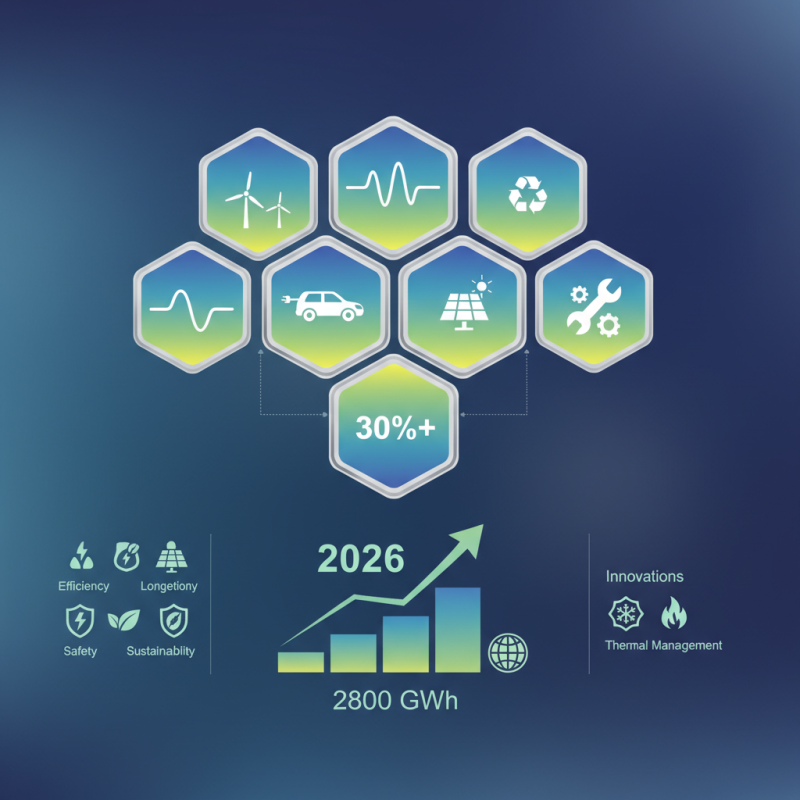
Recent advances in cell chemistry and design have led to better energy density and charging speeds. Research indicates that the right lithium ion cells can improve performance by up to 30% compared to older models. However, not all cells are created equal. Choosing lithium ion cells that prioritize safety and sustainability is essential. Companies must not overlook the environmental impact of battery production.
As we look towards 2026, there is still a need for improvements. Current technologies face challenges such as thermal management and battery degradation. Addressing these issues will be vital for future innovations. Continuous research is necessary to meet the burgeoning requirements of electric vehicles and renewable energy storage systems.
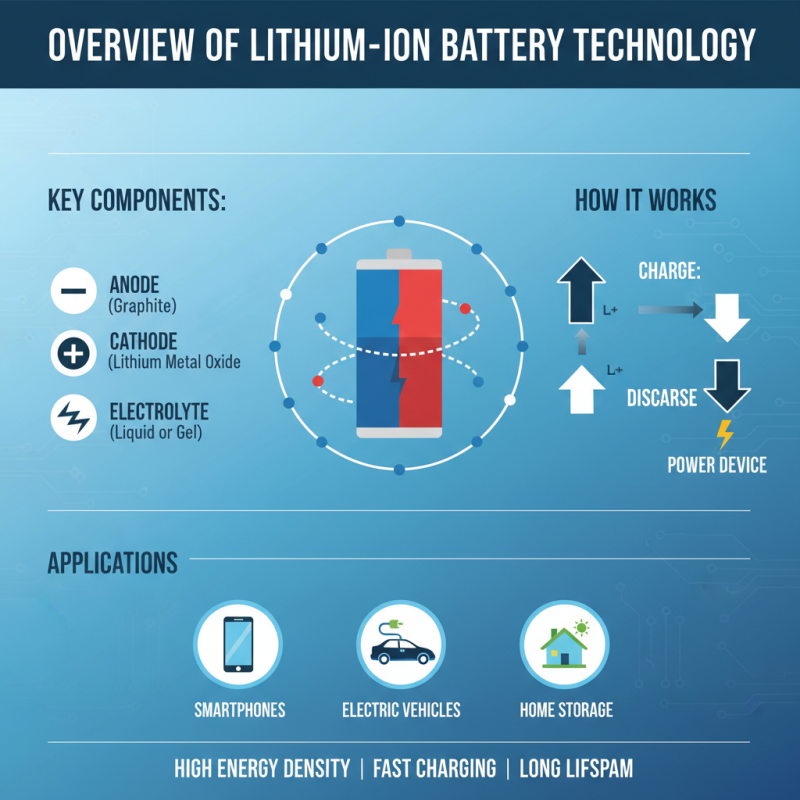
Overview of Lithium Ion Battery Technology
Lithium-ion technology has revolutionized energy storage. It powers everything from phones to electric vehicles. Understanding its fundamentals is crucial for optimizing performance.
Lithium-ion cells store energy through electrochemical reactions. During discharge, ions move from the anode to the cathode. This process generates electric current. The efficiency of this movement affects overall performance. Factors like temperature and charge cycles can impact longevity. Poor thermal management may lead to reduced capacity.
However, achieving optimal performance isn’t straightforward. Not all cells are created equal. Variations in material quality and design can lead to inconsistent output. Users often overlook the importance of regular maintenance. Monitoring charge levels is essential for battery health. High-performance batteries require careful handling and environment considerations. These details often get ignored but have lasting effects.
Key Factors Affecting Lithium Ion Cell Performance
When considering lithium-ion cells, several key factors significantly affect their performance. One crucial factor is the chemistry used in the cell. Different chemistries provide distinct advantages and disadvantages. For instance, some chemistries excel in energy density but may compromise cycle life. Balancing these attributes is essential for specific applications.
Another important factor is the manufacturing quality. High-quality cells are less prone to defects, which can lead to performance issues over time. Variability in production can result in inconsistent capacity and longevity. Investing in quality assurance can mitigate some risks, but it is not foolproof. Various manufacturers may employ different standards, affecting reliability.
Thermal management is also vital. Lithium-ion cells generate heat during operation. If not managed properly, this can lead to overheating and reduced lifespan. Many designs overlook efficient cooling strategies. As technologies evolve, addressing these challenges becomes increasingly important. Continuous improvement in cell design and manufacturing processes will play a crucial role in achieving optimal performance.
Top Lithium Ion Cells for 2026: A Comparative Analysis
As we look ahead to 2026, the demand for high-performance lithium-ion cells continues to grow. This surge is driven by advancements in electric vehicles (EVs) and renewable energy solutions. Industry data indicates that lithium-ion batteries are projected to dominate the market, accounting for over 70% of battery storage applications by 2026. This analysis highlights some key considerations for selecting optimal cells.
Battery density and lifecycle are crucial metrics. High-capacity lithium-ion cells are critical for achieving longer ranges in EVs. Research shows that newer formulations can improve energy density by approximately 15% compared to current standards. Furthermore, a lifecycle extending up to 2,000 charge cycles increases usability and enhances sustainability. However, reports suggest that not all cells meet these expectations. Manufacturers must strive for not just performance but also reliability.
Cost-effectiveness is another factor to ponder. While high-performance cells may initially seem expensive, their longevity can reduce total cost over time. A significant 2023 report argued that cells with superior thermal stability limit degradation risks. Yet, the trade-off between initial investment and long-term efficiency remains contentious. As the market evolves, stakeholders must critically assess balance among these varying parameters.
Emerging Innovations in Lithium Ion Cell Design
Emerging innovations in lithium-ion cell design are transforming battery technology. Researchers are exploring new materials to enhance energy density and stability. Silicon anodes, for instance, can significantly increase capacity compared to traditional graphite. This design change is promising but also presents challenges. Silicon expands and contracts during charging cycles, which can lead to degradation.
Solid-state batteries are another exciting development. They use solid electrolytes instead of liquid ones. This shift improves safety and could lead to higher energy densities. However, manufacturing processes for solid-state batteries are still not fully optimized. High costs and production scalability remain concerns.
Researchers are also focusing on recycling methods. Advances in recovery techniques can help reduce waste. More effective recycling could make lithium-ion batteries more sustainable. Still, these innovations must prove reliable over time. Long-term performance and environmental impact need careful consideration. The future holds great potential, but it demands ongoing evaluation and refinement.
Applications and Future Trends in Lithium Ion Battery Usage
The demand for lithium-ion batteries is expanding across various sectors. Their applications range from consumer electronics to electric vehicles. This growth fuels innovations in battery design and efficiency. The quest for better energy densities continues to drive research. Lithium-ion technology is at the forefront of this evolution.
Many industries now rely on sophisticated battery systems. These systems must perform under diverse conditions. For instance, temperature extremes can significantly affect battery life. Companies are tasked with ensuring longevity and safety in their products. Not all lithium-ion cells meet these high standards. Hence, consumers often seek reliable information before making choices.
Future trends indicate a shift towards sustainable practices. The recycling of lithium-ion batteries will become crucial. This presents challenges in terms of cost and technology. Also, exploration into alternative materials offers promising avenues. All these factors will shape the battery landscape in upcoming years.