How to Choose the Right Lithium Battery Cells for Your Needs?
Choosing the right lithium battery cells is crucial for both individuals and businesses. As Dr. Emily Carter, a leading expert in battery technology, states, "The selection of lithium battery cells can make or break the success of your project." Understanding the various types and specifications can seem overwhelming. However, a careful approach can simplify this process.
Different applications require different characteristics from lithium battery cells. For example, energy density matters for electric vehicles, while cycle life is critical for renewable energy storage systems. A mismatch can lead to inefficiencies, safety risks, or even project failure. Selecting the wrong battery is not just a technical error; it can be a costly one.
It's essential to consider factors like discharge rate and temperature performance. Each lithium battery cell has unique strengths and weaknesses. Overlooking any detail can lead to regret later on. The stakes are high, and a well-informed choice is vital for your intended application.
Understanding Different Types of Lithium Battery Cells Available
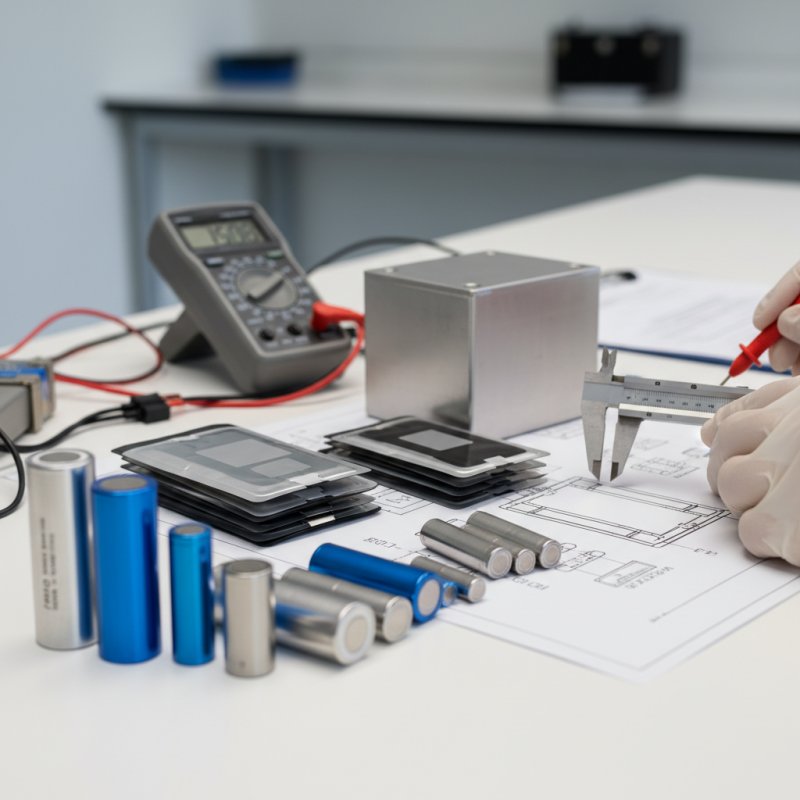
When selecting lithium battery cells, it’s crucial to understand the different types available. Lithium-ion batteries are popular for their high energy density. They are widely used in smartphones and electric vehicles. Then there are lithium polymer cells, which are lighter and can be shaped into compact forms. This flexibility makes them a great choice for drones and wearables.
Another option is lithium iron phosphate cells. They are known for their stability and safety. Often used in power tools and electric buses, they offer a longer cycle life. However, they have a lower energy density compared to lithium-ion batteries. It’s also important to consider the application. High-drain devices might require different specifications than low-drain devices.
In the end, the right choice depends on your needs. If you're unsure, it’s wise to consult with an expert. Balancing factors like weight, size, and performance can be tricky. Not every cell type fits every project perfectly. Be prepared for some trial and error. Understanding your requirements helps in making a more informed decision.
Evaluating Your Specific Power and Energy Requirements
When selecting lithium battery cells, it’s crucial to assess your specific power and energy needs. Start by determining the total energy output required for your device or application. This involves calculating the watt-hours (Wh) necessary for optimal performance. For example, if you need a device to run for five hours at 10 watts, you’ll need at least 50 Wh of capacity.
Next, consider the discharge rate. Different applications require varying power levels during use. Some devices may need a consistent draw, while others can handle bursts of power. If you underestimate the power requirements, your device might fail during peak usage. This could lead to dissatisfaction and wasted resources.
It’s also essential to think about the environment in which these cells will operate. Temperature variations can impact battery performance. A poorly chosen cell might degrade quickly or fail entirely. Balancing these factors can be challenging. Reflect on your specific use case to ensure the best choice. Ultimately, making a methodical evaluation can help you avoid common pitfalls in battery selection.
Battery Cell Comparison Based on Energy Density and Power Density
Comparing Battery Performance Characteristics and Lifespan
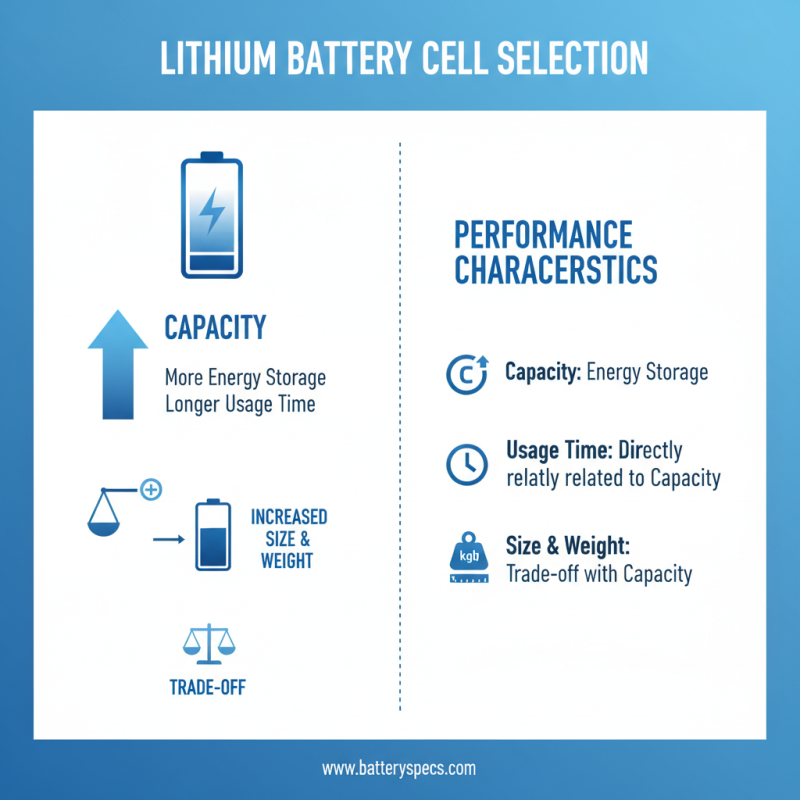
When selecting lithium battery cells, performance characteristics are crucial. Battery capacity determines how much energy it can store. A higher capacity means longer usage without frequent recharges. However, a larger capacity often comes with increased size and weight. That’s a trade-off users need to consider.
Lifespan is another vital factor. Lithium batteries typically last for several hundred to thousands of cycles. The actual lifespan can vary significantly based on usage and charging habits. Some users underestimate the impact of environmental factors like temperature. High heat can accelerate degradation, while too cold conditions can also harm performance.
It’s important to research and compare various cells. Not all cells are created equal, and their chemistry affects how they perform over time. Users often wish to prioritize one feature but overlook others. Finding a balance between capacity, lifespan, and usage for specific needs can be challenging. Testing different options may be necessary to make informed decisions.
Examining Safety Features and Environmental Impact
When choosing lithium battery cells, safety features are paramount. A report from the International Electrotechnical Commission highlights that battery fires account for a significant percentage of accidents. Proper thermal management systems can reduce this risk. Recent data suggests that 45% of battery incidents could be avoided with advanced safety designs.
Environmental impact also raises concerns. Lithium mining often involves harmful practices. For instance, a study indicated that lithium extraction can deplete local water sources drastically. Some operations consume up to 2 million liters of water per ton of lithium produced. This raises ethical questions about sustainability. Consumers are increasingly aware of these issues.
Many facilities lack proper disposal systems for older batteries. This causes widespread pollution and contributes to the global waste crisis. The recycling rate for lithium batteries currently sits at only 5%. As the demand for electric vehicles grows, this is alarming. It highlights the need for careful consideration when choosing battery cells. Do the safety features align with environmental accountability? These are questions consumers must ponder.
How to Choose the Right Lithium Battery Cells for Your Needs? - Examining Safety Features and Environmental Impact
| Battery Type |
Capacity (Ah) |
Voltage (V) |
Safety Features |
Environmental Impact |
| Lithium-ion |
100 |
3.7 |
Overcharge protection, Thermal management |
Recyclable, Hazardous materials present |
| Lithium Polymer |
80 |
3.7 |
Short circuit protection, Pouch cell design |
Low toxicity, less overall environmental risk |
| Lithium Iron Phosphate (LiFePO4) |
100 |
3.2 |
High thermal stability, Non-explosive |
Highly recyclable, Less environmental damage |
| Lithium Nickel Manganese Cobalt (NMC) |
90 |
3.7 |
Cell balancing, Overheating protection |
Involves cobalt, which raises ethical and environmental concerns |
Choosing a Reliable Supplier and Warranty Options
When selecting lithium battery cells, finding a reliable supplier is crucial. A good supplier should have a proven track record. Look for reviews and testimonials to gauge their reputation. Check if they have experience in your specific application. Reliability goes beyond just the product; it includes service and support.
Tips: Always verify certifications. They ensure safety and quality standards. Don't shy away from asking difficult questions about their manufacturing process. Transparency is key.
Warranty options can make a significant difference in your choice. A solid warranty indicates confidence in their product. Examine the warranty terms closely. Are there any exclusions? Understand what is covered and for how long. Be aware that some suppliers may have hidden terms that can catch you off guard later.
Tips: Discuss warranty claims upfront. This can provide insight into how a supplier values customer satisfaction. Always document transactions and agreements. Clear records can help resolve potential disputes.