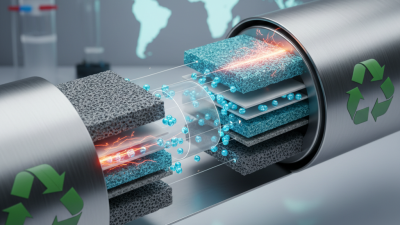
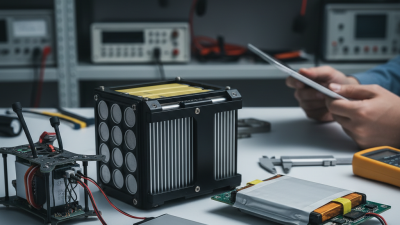
Top 10 Ion Battery Types for Global Buyers?

Choosing the right ion battery can shape a product’s safety, operating cost, and long-term market performance. Global buyers now compare lithium-ion, lithium iron phosphate, nickel-manganese-cobalt, nickel-metal hydride, sodium-ion, and other emerging chemistries. Each type offers different strengths under real operating conditions.

This guide examines ten ion battery types through practical purchasing criteria. These include energy density, cycle life, charging speed, temperature tolerance, maintenance needs, and total ownership cost. A compact electric scooter may prioritize weight and fast charging. A warehouse energy system may value safety, service life, and stable performance more highly. The best choice depends on the application.

Specifications alone can mislead. A battery rated for 5,000 cycles may perform differently in heat, cold, or irregular charging conditions. Supplier testing also may not match field use. That matters.

Experienced buyers should request independent test data, safety documentation, traceability records, and clear warranty terms. Regional transport rules and product certification requirements also deserve careful review. Standards and market conditions change, so outdated information creates unnecessary risk.

There is no universal winner.

This ranking offers a practical starting point, not a final purchasing decision. It balances technical evidence with real-world concerns, including availability, recycling support, and supplier reliability. Some conclusions remain debatable, especially for newer chemistries with limited long-term data. That uncertainty should be acknowledged rather than hidden. By comparing advantages, limitations, and suitable applications, buyers can select an ion battery technology with greater confidence and fewer expensive surprises.
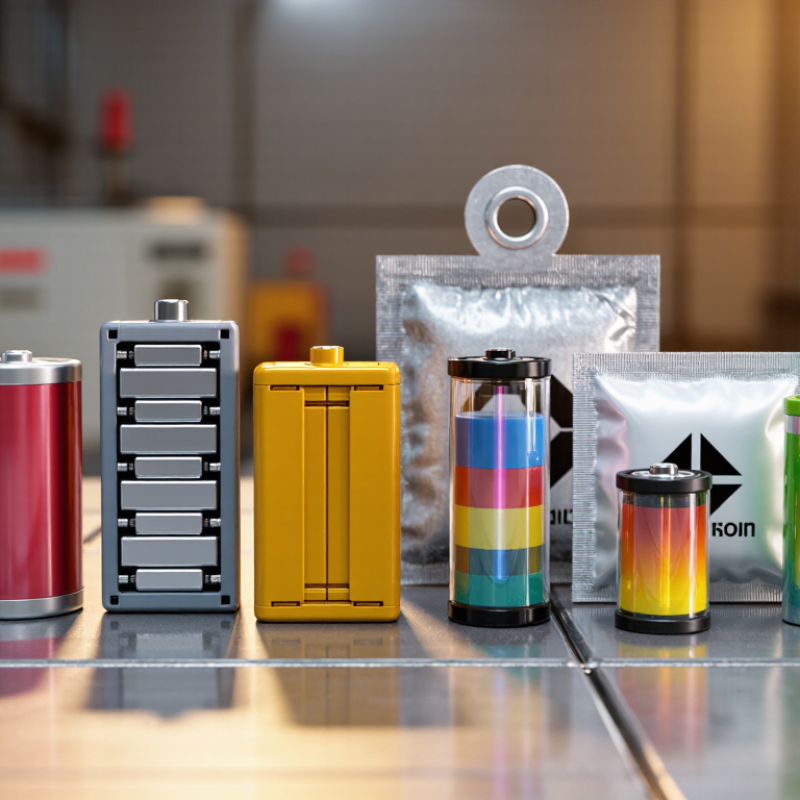
Top 10 Ion Battery Types for Global Buyers?

Battery Chemistry Basics and Key Differences

Top 10 Ion Battery Types for Global Buyers

Battery chemistry determines how a cell stores, releases, and manages energy. It affects safety, cost, lifespan, weight, and charging speed. Common lithium-ion families include lithium cobalt oxide, lithium manganese oxide, nickel manganese cobalt, nickel cobalt aluminum, lithium iron phosphate, lithium manganese iron phosphate, and lithium titanate. Emerging options include sodium-ion, zinc-ion, and solid-state designs.

Each type reflects a different compromise. Lithium cobalt oxide offers high energy density but needs careful thermal control. Lithium iron phosphate usually provides strong cycle life and stable heat performance. Nickel-rich chemistries can reduce weight, yet they demand stricter monitoring. Lithium titanate charges quickly and performs well in cold conditions, but its lower energy density may increase system size. Sodium-ion can reduce reliance on scarce materials, although its commercial maturity and energy density still require careful review. Solid-state cells may improve safety, but production consistency remains a challenge.

Tips:

Match chemistry with the duty cycle, not the brochure rating. Check usable capacity, temperature limits, cycle-life test conditions, and protection systems. Ask whether figures represent laboratory cells or complete battery packs. A battery that looks ideal on paper may disappoint in a dusty warehouse, a cold delivery route, or a high-load machine. I have found that buyers often compare energy density first and service conditions later. That order can create expensive mistakes. Also review transport documentation, installation requirements, warranty terms, and local recycling arrangements before purchasing.
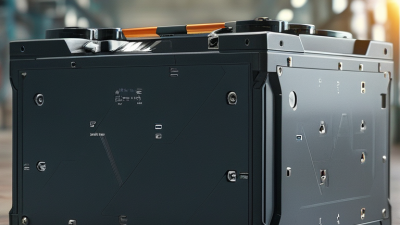
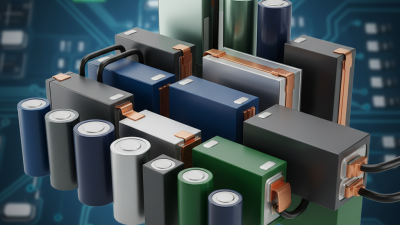
The Top 10 Ion Battery Types Used Worldwide

The Top 10 Ion Battery Types Used Worldwide

Global buyers encounter ten major rechargeable battery chemistries across vehicles, electronics, tools, and energy systems. Lithium cobalt oxide remains common in compact electronics because it stores substantial energy in a small space. Nickel manganese cobalt batteries balance energy, power, and cost for many electric vehicles. Nickel cobalt aluminum batteries offer high energy density, but thermal management requires careful engineering. Lithium iron phosphate batteries usually provide strong safety, long cycle life, and stable performance. They are popular for buses, storage cabinets, and commercial equipment.

Lithium manganese oxide batteries deliver useful power and moderate cost, although their cycle life can limit some applications. Lithium titanate batteries charge quickly and perform well in cold conditions. Their lower energy density remains a practical compromise. Sodium-ion batteries use more widely available materials and may suit stationary storage. Nickel-metal hydride batteries still serve many hybrid vehicles because they tolerate frequent charging. Nickel-cadmium batteries provide dependable performance in industrial equipment, but environmental rules restrict some uses. Lead-acid batteries remain important for backup power and vehicle starting systems.

The ranking is imperfect. Market demand changes by region, temperature, safety standards, and recycling access. A warehouse manager may prefer durable lithium iron phosphate cells, while a portable-device designer may choose lithium cobalt oxide. Real purchasing decisions need verified test data, supplier traceability, warranty terms, and independent safety records. Chemistry names alone do not reveal cell quality. Manufacturing consistency matters greatly. Even experienced buyers can underestimate installation conditions, especially heat, charging speed, and storage duration.

Performance, Safety, Cost, and Lifespan Comparison

Top 10 Ion Battery Types for Global Buyers

Performance, Safety, Cost, and Lifespan Comparison

Battery selection starts with the application, not the highest advertised capacity. Lithium iron phosphate offers strong cycle life, stable thermal behavior, and moderate cost. Nickel manganese cobalt delivers higher energy density, but it needs careful cooling and monitoring. Nickel cobalt aluminum can support longer driving ranges, although its safety margin is more demanding. Lithium cobalt oxide remains energy-dense, yet its shorter lifespan limits heavy-duty use. Lithium manganese oxide provides decent power and lower material cost, but repeated high-load cycling can reduce capacity.

Lithium titanate charges quickly and can survive extensive cycling, though its energy density is low and its purchase price is high. Sodium-ion cells may reduce raw-material pressure and perform well in colder conditions, but their energy density remains limited. Solid-state lithium systems promise improved safety and capacity, but manufacturing maturity and cost still create uncertainty. Zinc-ion designs use safer aqueous systems in some applications, yet their output and commercial lifespan need more field evidence. Aluminum-ion concepts may offer rapid charging and low-cost materials, but they remain early-stage technologies.

Safety is layered. Cell chemistry, battery management, enclosure design, charging control, and abuse testing all matter. A cheaper cell can become expensive after replacement, downtime, or thermal protection upgrades. Laboratory cycle figures also need careful reading, because temperature, charging speed, and usable depth change results.

Data can mislead. The ranking is imperfect, since a delivery vehicle, home storage unit, and small sensor require very different compromises. My purchasing reviews favor verified test data, traceable specifications, and service support over impressive claims.

Choosing the Right Ion Battery for Different Applications

Choosing the right ion battery begins with the application, not the chemistry name. A delivery vehicle needs high energy density, fast charging, and stable performance in traffic. Nickel-manganese-cobalt cells often fit these demands, but thermal management must be carefully designed. Lithium iron phosphate cells offer strong safety and long cycle life. They suit buses, warehouse equipment, and stationary storage, where weight matters less.

For compact electronics, lithium-ion polymer cells provide flexible shapes and useful energy density. Power tools may benefit from high-power lithium-ion cells that release energy quickly. Lithium titanate cells charge rapidly and perform well in cold conditions, although their lower energy density requires larger packs. Sodium-ion batteries can support cost-sensitive storage projects, especially where extreme range is unnecessary.

Measure the real workload.

Check temperature, charging hours, discharge depth, maintenance access, and transport limits. I have seen projects choose batteries by price alone, then face shorter service life under heat and frequent cycling. That mistake is easy to repeat. Capacity ratings can also mislead when testing conditions differ from field use. Ask for cycle data, safety test records, cell balancing details, and protection-system specifications. For medical equipment or backup systems, predictable output may matter more than maximum capacity. For remote solar storage, low maintenance and calendar life deserve greater attention. No choice is perfect. A careful decision accepts trade-offs and tests the battery under realistic conditions before large-scale purchase.

Global Buying Factors: Standards, Supply, and Sustainability

Global buyers comparing the top ten ion battery types should begin with standards, not marketing claims. Lithium iron phosphate, nickel manganese cobalt, sodium-ion, lithium titanate, and emerging solid-state cells serve different operating needs. A buyer should verify test reports for the exact cell and battery pack. UN 38.3 supports transport safety, while IEC 62619 addresses industrial lithium battery safety. Standards matter. Certificates must match the production site, model, and revision.

Supply reliability also needs physical evidence. Ask for monthly capacity, normal lead times, approved raw material sources, and a documented second-source plan. A low price means little if a port delay stops production for six weeks. Regional assembly can reduce customs exposure, but it does not remove mineral supply risks. Check temperature data, cycle-life testing, warranty conditions, and field failure records. Numbers without test conditions can mislead.

Sustainability requires more than choosing a chemistry with lower critical-mineral use. Request carbon-footprint methods, recycled material percentages, water-use data, and chain-of-custody records. LFP may reduce reliance on nickel and cobalt, while sodium-ion may improve material availability in selected applications. Their energy density and commercial maturity may differ. No checklist is perfect. Buyers should review end-of-life collection, repair options, and recycling routes before signing contracts. Some supplier documents remain incomplete, especially for upstream emissions. That gap deserves a written correction plan, not quiet acceptance.